
Therapeutic Management and Support of Profound Autism
Profound autism includes all children that:
Meet the diagnostic criteria for Autism Spectrum Disorder.
Do not verbally communicate other than single words or fixed phrases, and communicates predominantly only to have their basic needs.
Do not respond appropriately to verbal requests or demands.
Although normally they must be at least 8 years old, these criteria also apply to children as young as 3 years.
Require adult supervision to ensure physical and mental health, safety, and well- being due to risks such as elopement, injury, or lack of environmental awareness.
Demonstrate adaptive functioning skills significantly below age level, with an inability to independently perform most activities of daily living (e.g. bathing, food preparation, dressing).
Severely impaired cognitive abilities, reflected by IQ under 50.
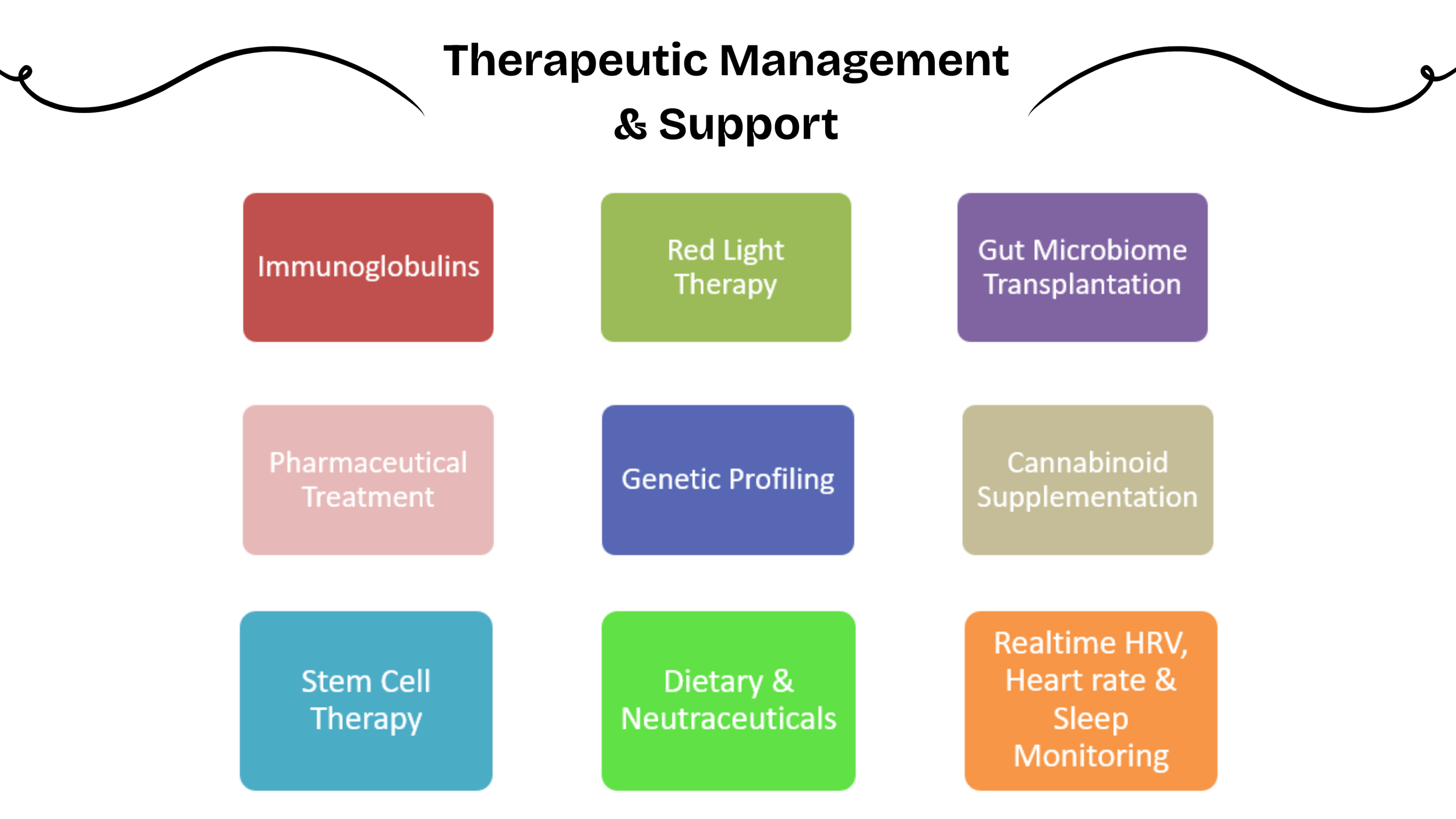
Apart from standard interventional modalities such as ABA, occupational and speech therapy, the following therapeutic and support options could have a significant effect on their speech, communication and cognitive development:
1. Immunoglobulin therapy decreases neuroinflammation, whereby the deranged neural pathways are able to regenerate and optimise connectivity. See blog on introduction on neuroinflammation.
2. Red light therapy, or photobiomodulation (PBM), is an emerging, non-invasive treatment for autism spectrum disorder (ASD) using 600–1300 nm light to reduce neuroinflammation, boost mitochondrial function, and improve behavioural symptoms like irritability and social communication. Studies suggest it may help modulate brain connectivity. It is presently not available in our practice.
3. Gut: Microbiota Transplantation show promise in improving both gastrointestinal (GI) issues and behavioural symptoms in children with autism spectrum disorder (ASD). By transferring healthy gut microbes, studies reported significant reductions in ASD severity and improved gut health.
4. Stem cell therapy for autism is an experimental approach that is not yet approved as a standard medical treatment. While some early clinical trials report improvements in social interaction and behaviour, major medical and regulatory bodies emphasize that there is currently no high-quality, definitive evidence that it is an effective "cure". It is presently not available in our practice.
5. Dietary and Nutraceuticals: Nutraceuticals and dietary interventions are widely used as complementary and alternative treatments for Autism Spectrum Disorder (ASD), primarily to address co-occurring symptoms like gastrointestinal (GI) distress, sleep disturbances, and metabolic abnormalities. Go to www.inutrition.co.za .
6. Real time heart rate variability (HRV), heart rate and sleep monitoring. Decreased heart rate variability (HRV) is considered a common marker of autonomic dysfunction that contributes to poor health outcomes. While some studies have suggested that children with autism spectrum disorder (ASD) show reduced HRV, research is yet to consider whether this may be associated with medication use or symptom severity. Including heart rate as well as sleep monitoring it will be possible to monitor drug efficacy as well as detect behavioural flare ups. We are working on a system that will support children with autism.
7. The importance of pharmaceutical interventions cannot be overestimated. Drugs are primarily aimed at improving concentration and communication and lessening anxiety and mood disruptions. See blog on Executive function in neurodiverse children.
8. Genetic profiling, as a means to detect and genetic disorder resulting or contributing to the autistic behaviour or pharmacogenomics where the genetic profile of each patient is matched against the potential drug usage is critically important in optimising drug usage and efficacy for each individual patient.
9. Cannabinoid treatment with purified CBD is effective and safe and could benefit patients with severe ASD by improving some of the core symptoms, including repetitive behaviours and social interaction, as well as associated comorbidities
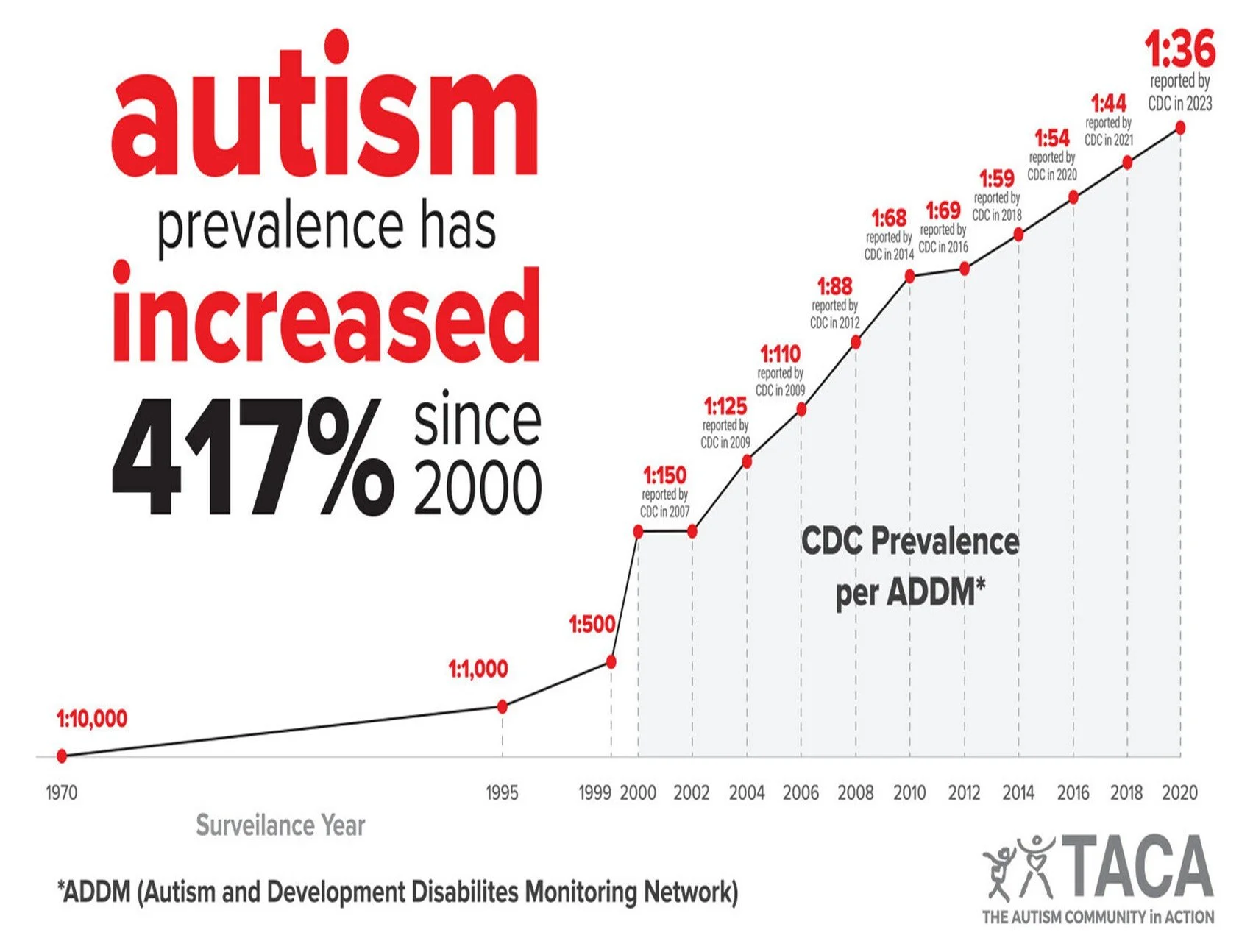
As autism prevalence continues to rise, families, educators, and healthcare professionals must work together to create more inclusive environments for autistic individuals.
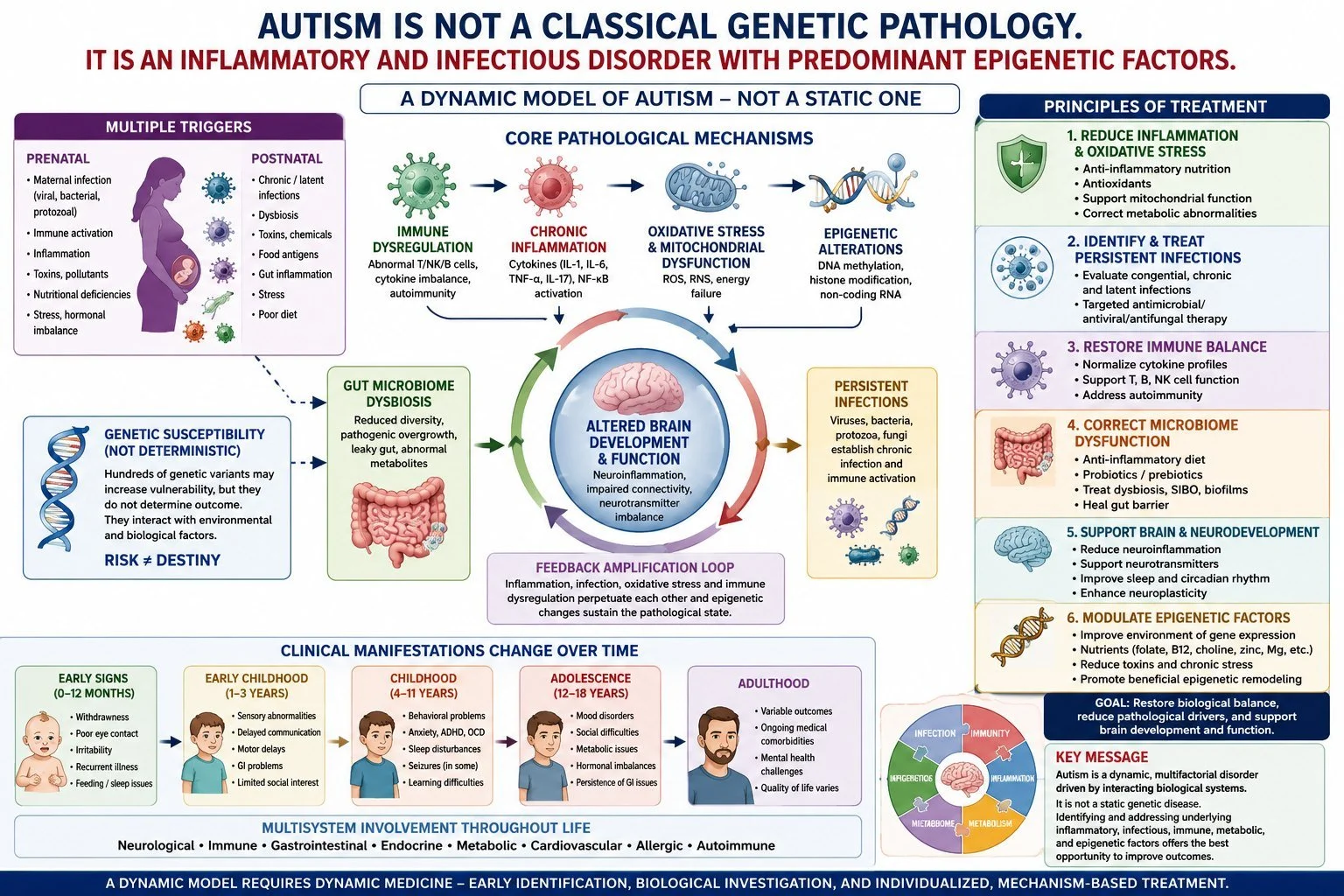
Advances in autism research continue to explore how immune, metabolic, gastrointestinal, and neurological systems interact throughout development — reinforcing the importance of comprehensive and individualized support strategies.
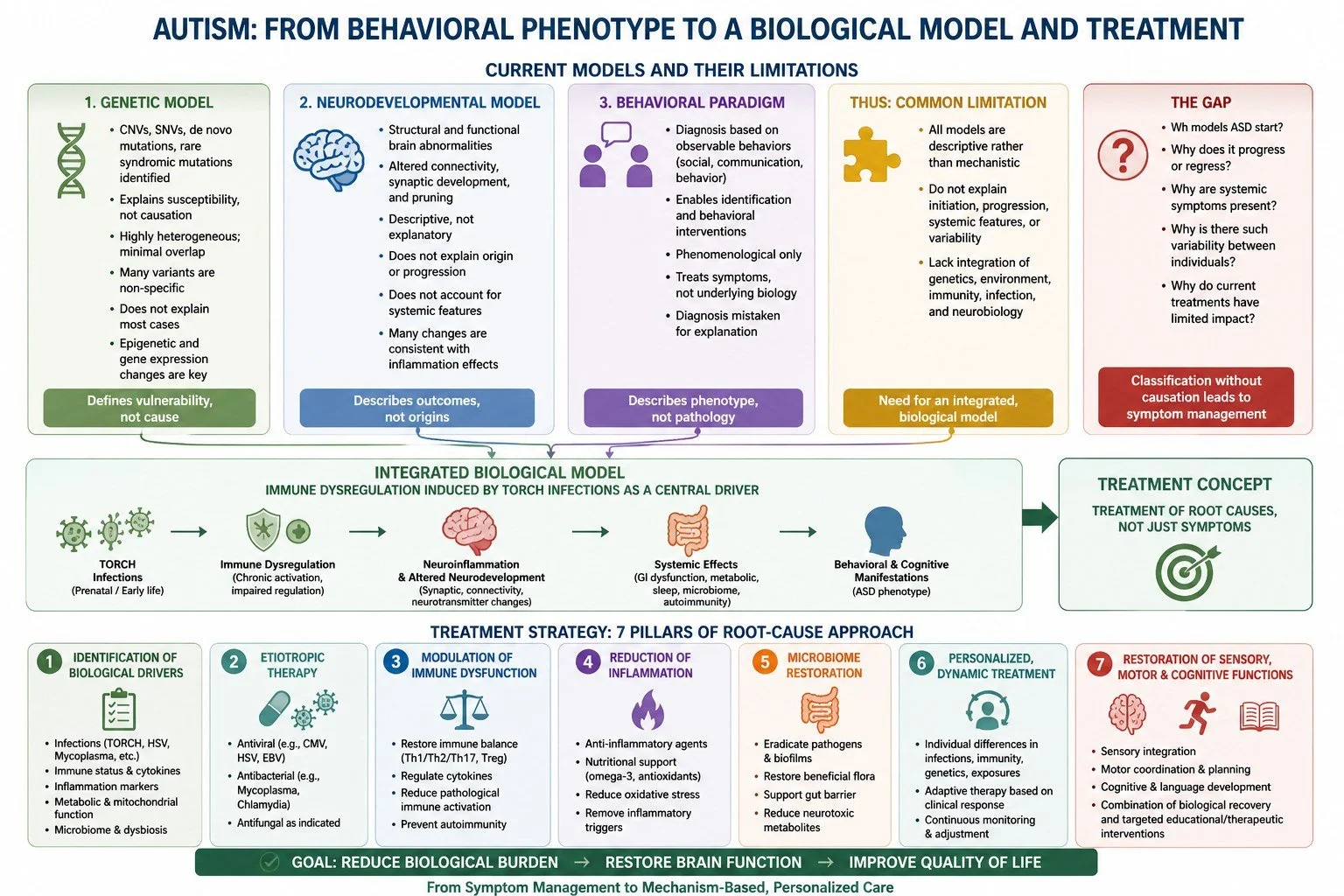
As our understanding of autism evolves, there is increasing emphasis on integrating neuroscience, immunology, gut health, genetics, and developmental research to better support long-term outcomes and quality of life.
